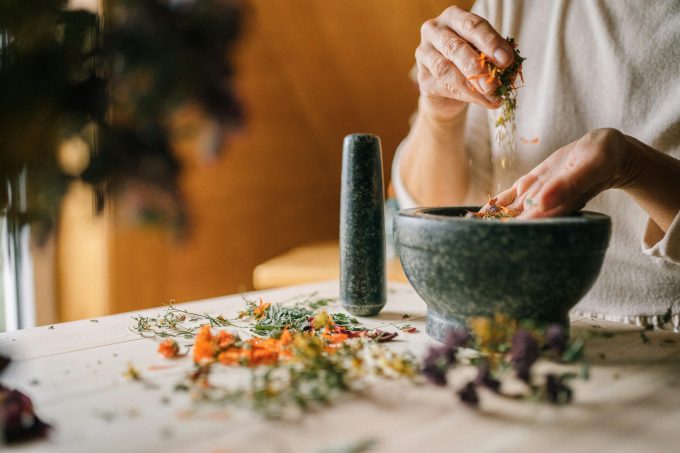



The term “spicy food”, often used by restaurants in the Western Hemisphere, is sometimes misleading. Spicy does not necessarily mean “pepper hot.” A spice is a plant-based substance with an aromatic or pungent flavour, used in cooking, baking, beverages, and salads. It can take the form of seeds or pods (such as cardamom, black pepper, and nutmeg), bark (such as cinnamon), fruit (such as peppers), flowers (like saffron), or roots (such as ginger and turmeric). The latter is a mild spice popular in curries.
Spice Within Our Diet
At one time, Northern India was recognized as having a low rate of dementia. This may have been linked to the amount of spice incorporated into their daily cooking, with turmeric leading in both quality and quantity, followed by geera (also known as cumin) and cinnamon.
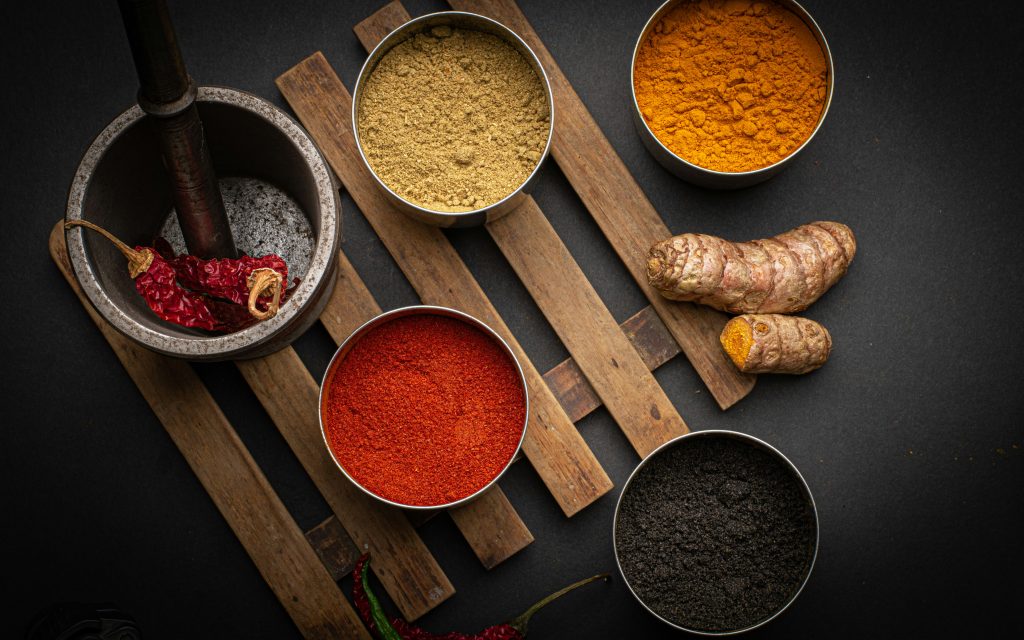
Turmeric, a key ingredient in many curries, contains high levels of anti-inflammatory and antioxidant compounds that help protect the body. Ginger and cinnamon, often consumed both in foods and as teas, also contain antioxidant compounds associated with improved health.
In addition to this, credit must be given to “generational living,” where the elderly live with their children, grandchildren, relatives, and within their communities.
Using Food to Support Brain Health
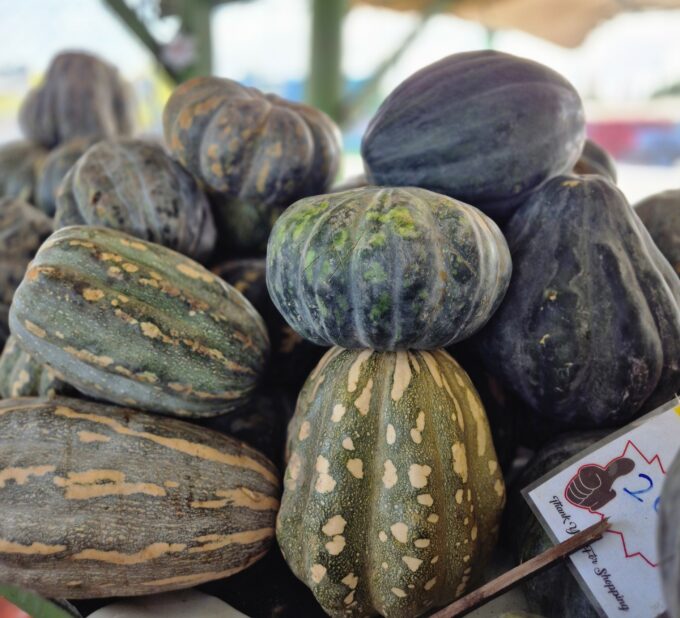
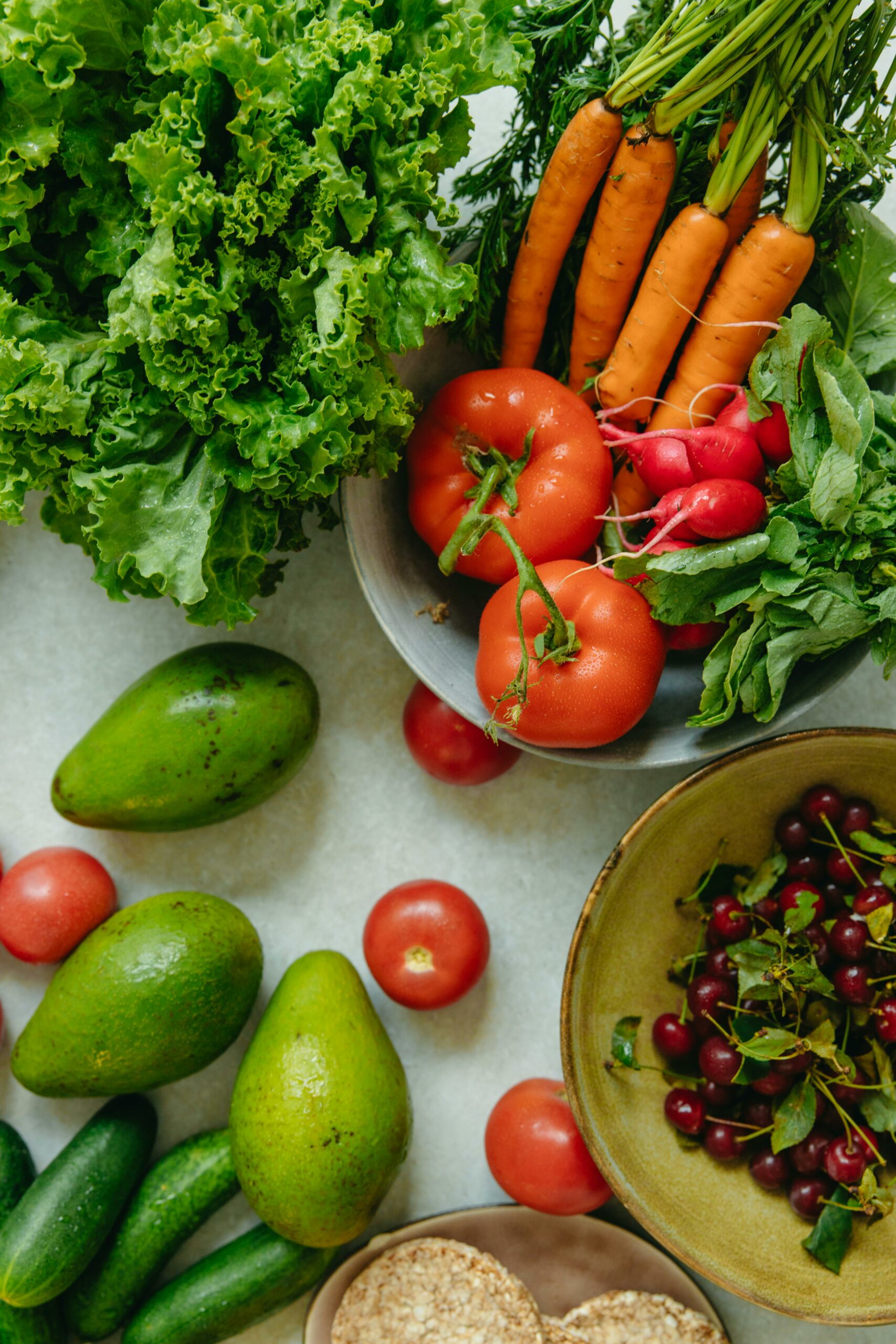
There is no specific diet required for persons living with dementia, but a regular, healthy, balanced diet is as important for your brain as it is for your body. Alongside spices, food such as leafy greens (spinach, callaloo), pumpkin, whole grains, and fish rich in omega-3s play a valuable role especially since diabetes, hypertension, and obesity are leading conditions that precede dementia. Fruits such as jamoons, pomegranates, cherries, grapefruit, guava, mangoes, and fresh oranges, to name a few, should be part of a healthy diet. Interestingly, the most popular mango in Guyana is called “Buxton Spice.”
Food That Is Not Recommended
Although consumption of highly processed food has been linked to cardiovascular disease and obesity, little is known about their association with cognitive decline. The brain is surrounded by a fluid called cerebrospinal fluid, which protects it. This poses a challenge in assessing the effects of food, spices, and medications, as well as conducting research. We do not yet know what quantity of spice is needed for absorption by brain tissue; therefore, we rely on observational studies to evaluate their effects over time. Nevertheless, a major concern is that consuming highly processed foods can easily become habitual and may lead to dependency. Examples include soft drinks, boxed cake mixes, processed cheese, and instant noodles. These foods offer excess calories, fat, sugar, and salt, with little to no nutrient concentration.
Utilizing Mental and Physical Exercise
There are daily activities that have been associated with slower cognitive decline. These include crossword puzzles, sudoku, and reading, as well as maintaining one’s passions for hobbies and interests. Social engagement and regular physical activity—such as gym classes, walking groups, dance classes, yoga sessions, and meditation—also play a beneficial role.
Conclusion
The beauty of maximizing the use of spices is that they may do a lot more than flavour our food. They may have other benefits that are yet to be proven. It comes down to making good decisions about our food choices, how we spend our time, and how we use our brain to enable a life that is enjoyable and productive.
As the saying goes: “Variety is the spice of life.”