

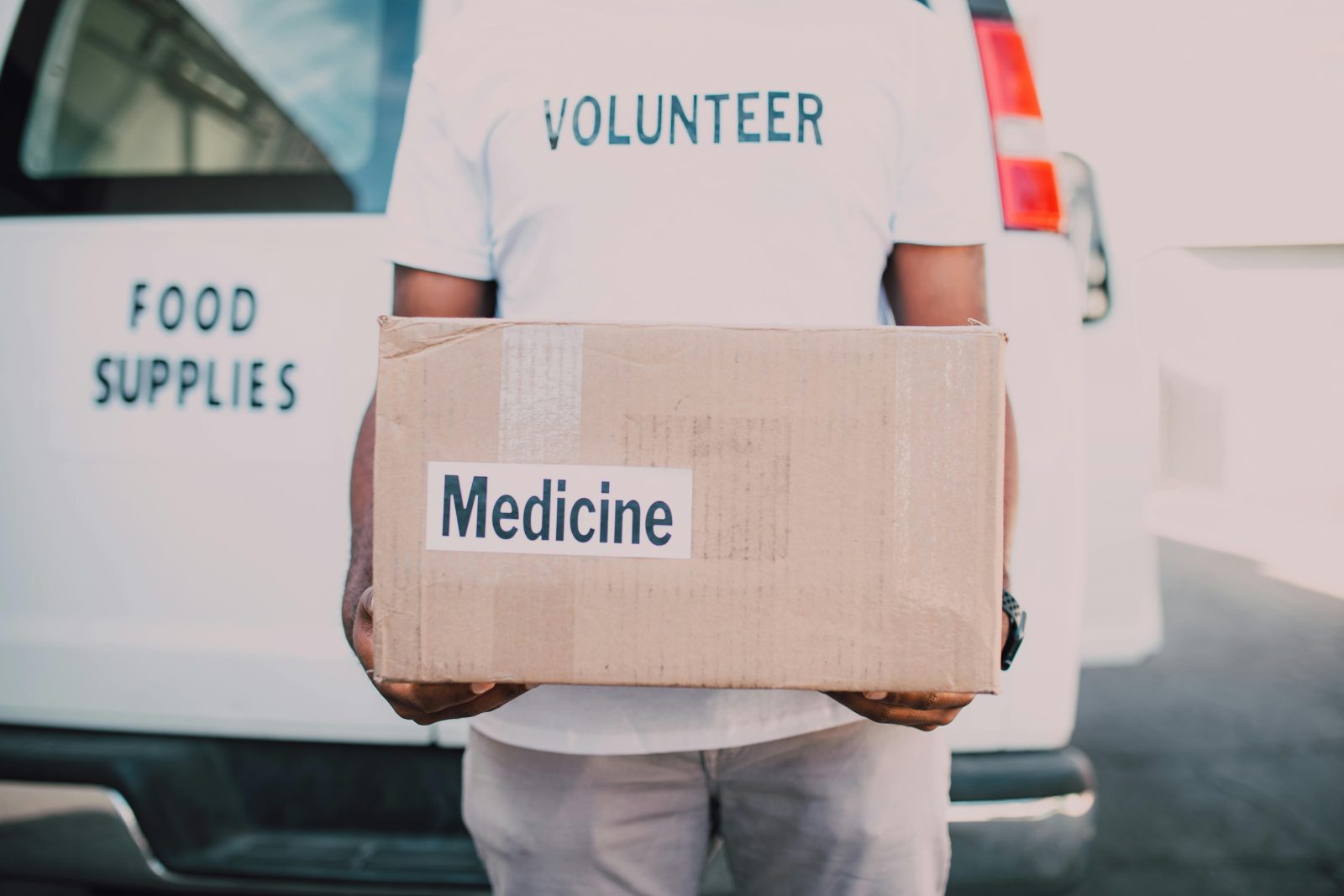
Medical missions are frequently celebrated for providing essential surgeries and screenings; however, their long-term effectiveness remains a subject of ongoing debate. While these programs offer immediate relief, the logistical complexity and high execution costs often overshadow their sustained impact on local healthcare systems.
Medical missions should not function as stand-alone interventions, but rather as collaborative efforts that strengthen existing healthcare structures. By integrating their expertise into local systems and aligning with national priorities, these initiatives can move beyond temporary relief toward meaningful, long-term impact. Central to this approach are two guiding principles:
- Mutuality — recognizing, respecting, and integrating local providers and their expertise into the care team to optimize patient outcomes.
- Continuity — ensuring appropriate follow-up care and maintaining sustained relationships with local providers, volunteers, and host organizations to support ongoing collaboration and accountability.
To fully understand the role and impact of short-term medical missions, it is important to weigh both their immediate benefits and their broader limitations.
Benefits
- Local providers and patients receive immediate assistance, including the transfer of knowledge, skills, and equipment. Missions also provide access to specialized procedures that may otherwise be unavailable, such as cleft lip and palate repairs, treatment of congenital heart disease, and cataract surgery.
- They help bridge the gap between urban centers and rural communities by delivering essential vaccines, social services, and advanced treatment options to populations with limited access.
- Collaboration with local colleagues fosters lasting professional relationships while helping identify—and address—the community’s most urgent healthcare needs.
- They contribute to capacity building by strengthening the skills and capabilities required for meaningful, long-term improvements in healthcare delivery.
- Participation in global outreach is associated with increased clinical empathy and a reduction in professional burnout, reinforcing volunteers’ commitment to the medical profession.
Limitations
- Lack of continuity and follow-up: Limited duration of care and insufficient follow-up create gaps in monitoring and long-term treatment. High-stakes procedures performed by transient teams may lead to complications without adequate follow-up, and some teams may lack experience in resource-limited settings.
- Cultural and language barriers: Volunteers may not fully understand local customs, language, or cultural norms. Reliance on untrained interpreters can result in miscommunication, inappropriate treatment, and concerns regarding patient confidentiality and privacy.
- Disruption of local systems: Providing free, short-term care can unintentionally weaken local healthcare systems by discouraging patients from seeking ongoing care from permanent providers. The distribution of unfamiliar foreign medications may also complicate long-term treatment by local clinicians.
- Ethical and clinical risks: Some missions are poorly planned, unregulated, and inadequately integrated into local healthcare systems. Clinics may be held in homes, churches, or schools with limited privacy and insufficient safeguards for patient confidentiality. Additionally, missions conducted within specific religious settings may unintentionally limit broader community participation.
- Misaligned motivations: In some cases, participants prioritize personal or professional gain—often described as “medical tourism”—over delivering meaningful, high-quality patient care.
- Sustainability and impact: Overseas missions face financial scrutiny, as a significant portion of funding is allocated to travel and logistics rather than direct patient care. These resources could often be more effectively invested in strengthening sustainable, long-term local healthcare infrastructure.
Recommendations
Effective medical outreach requires an integrated, host-led approach that leverages local expertise and utilizes pharmaceutical resources appropriate for the patient population. Prioritizing sustainable capacity building over temporary clinical service ensures that improvements in health outcomes and professional training remain lasting assets for the host country.
Host nations should consider implementing registration systems to track and coordinate incoming foreign medical teams with existing healthcare initiatives. This would enhance collaboration, ensure alignment with national priorities, enable objective assessment of impact, and promote sustainable health outcomes. Volunteers must recognize their competencies and limitations and avoid providing services beyond their scope of training.
When properly coordinated, international medical missions can be powerful tools for knowledge exchange and healthcare development. However, the traditional “fly-in, fly-out” model is increasingly under scrutiny. Short-term interventions that bypass local providers and rely on unfamiliar treatments often fail to deliver sustainable care—and, in some cases, may inadvertently cause more harm than good.