

Contraception is an important aspect of our reproductive lives and plays a vital role in helping individuals and couples plan their families and futures. For many women and families, the ability to decide when and if to have children allows for better health, stability, and preparation for each stage of life.
Which Method Is Right for Me?
Contraception, or family planning, is the use of medicine, devices, or surgery to prevent pregnancy. There are many options available to women who desire to space out pregnancies or delay pregnancy due to health conditions.
There are also many myths surrounding the use of contraception, including concerns about infection, weight gain, difficulty with intercourse, or an increased risk of promiscuity. Each type of contraception has its own risks, benefits, and side effects. A method that works for one person may not work for another.
Therefore, seeking professional advice from an Obstetrician and Gynecologist (ObGyn) is best. Through counselling, all the necessary information will be provided before you make an informed decision about the type of contraception you prefer to use.
Choosing the Right Method
Everyone is different; therefore, choosing the right contraceptive method is not universal for everyone. After a counselling session with your ObGyn, you will be informed of the different options and can ultimately choose the method that is right for you.
There are some health conditions that a woman may have that can limit the options available due to potential risks. It is important to inform your healthcare provider of any health conditions so that the safest and most appropriate options can be recommended.
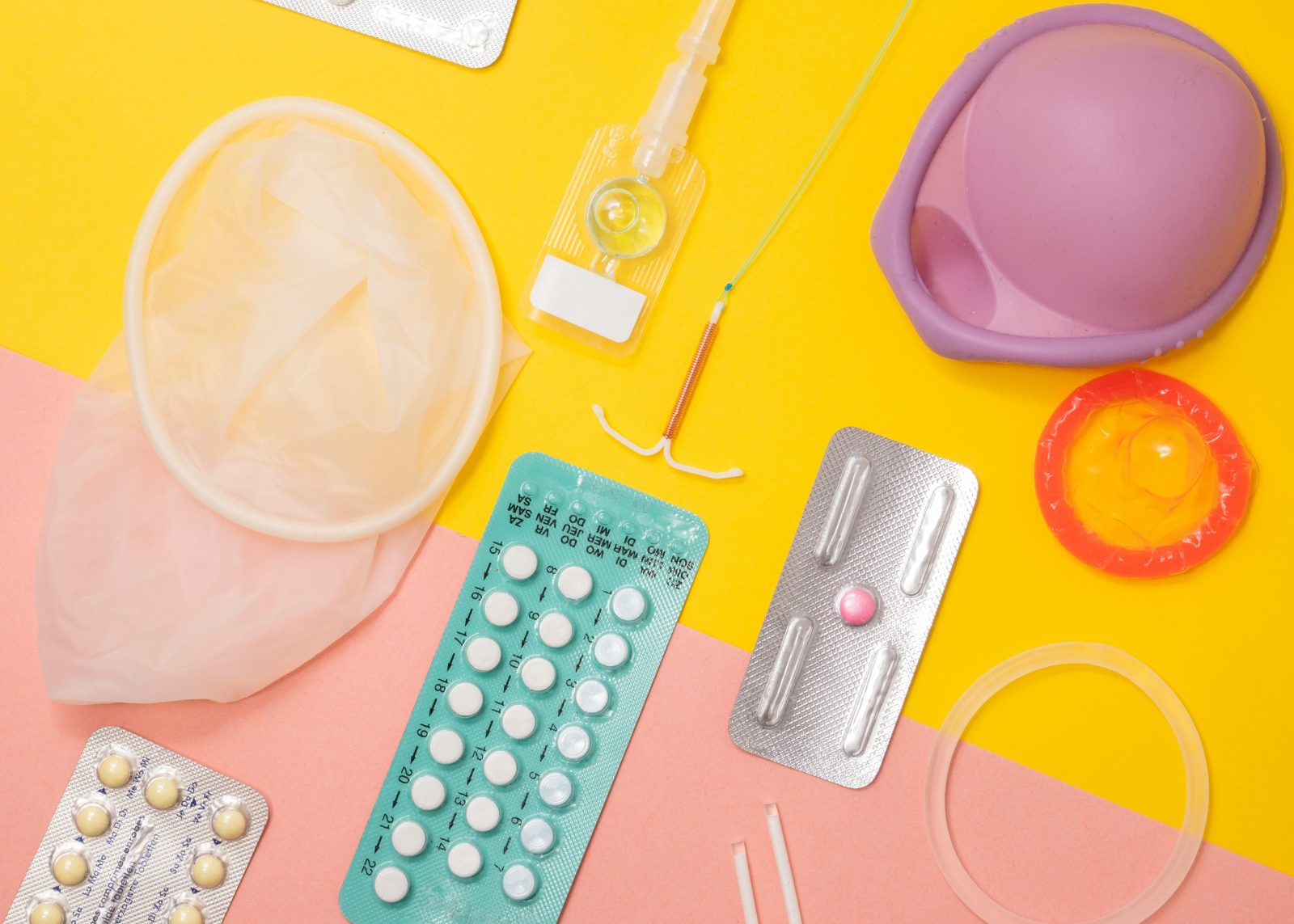
Contraception can be broadly categorized into hormonal and non-hormonal methods, as well as long-acting and short-term methods.
Hormonal Methods
Hormonal methods include:
- Oral combined pills (OCP), which contain both estrogen and progesterone
- Progesterone-only pill
- Progesterone injection (Depo-Provera)
- Patch
- Vaginal rings
- Implants
- Hormonal intrauterine device (Mirena)
Non-Hormonal Methods
Non-hormonal methods include barrier methods such as:
- Diaphragm
- Condoms (male and female)
- Spermicide gel
- Cervical cap
This group also includes:
- Copper intrauterine device (IUD)
- Fertility awareness methods
- Withdrawal
- Sterilization methods
Long-Acting Methods
Long-acting contraceptive methods can be used for several years. These include:
- The hormonal implant, which can be used for at least five years
- The copper intrauterine device, which can last for up to twelve years
- The Mirena hormonal intrauterine device, which can last for five years
At any point in time, these devices can be removed at the woman’s discretion. These methods are preferable because once they are placed, no daily tracking is required until it is time for removal.
Short-Term Methods
Short-term contraceptive options are typically user-dependent, meaning the woman must remember to use the medication correctly and on time. Failure to use these methods consistently can result in an unintended pregnancy.
These methods include:
- Oral combined pills (OCP)
- Progesterone-only pills
- Depo-Provera injection
- The patch
The duration of use for these methods varies from months to years and depends on the woman’s preference. Barrier methods, fertility awareness, and lactational amenorrhea are generally considered less reliable methods because they require careful planning and are time-sensitive.
Sterilization
Sterilization is an option for both males and females who have decided that they have completed their family or who have health reasons that make pregnancy unsafe.
For females, tubal ligation is a minor surgical procedure performed on the fallopian tubes, where they are either partially or completely removed.
For males, vasectomy is the equivalent minor surgical procedure in which the vas deferens are cut.
Common Side Effects
Each contraceptive method has its own potential side effects. These can vary depending on the individual user and whether there are any underlying conditions that may worsen these effects.
The most common side effects are associated with hormonal methods. These side effects are usually seen in the first few days to weeks after starting the medication as the body adjusts.
Common side effects include, but are not limited to:
- Headache
- Mood changes
- Decreased libido
- Weight gain
- Acne
- Breakthrough bleeding
- Breast tenderness
- Nausea
- Increased vaginal discharge
Although these side effects are possible, not everyone experiences them.
If side effects occur, a woman should seek advice from her healthcare provider. Counselling will be provided, and management options may be offered to help alleviate the symptoms.
Treatment options may include:
- Reassurance
- Stopping the medication
- A short course of combined pills; analgesics, antiemetics
Management of side effects depends on the woman’s preference and whether she wishes to continue the medication.
The long-acting copper IUD has minimal side effects because it is non-hormonal. Many women prefer this method because it is long-term and does not typically alter menstrual cycles.
Female sterilization does not have long-term side effects on the menstrual cycle or intimacy. Male sterilization also does not have long-term side effects for males.
At any point during the family planning journey, a woman may decide to switch to another type of contraception. A discussion with the healthcare provider is recommended to review options and determine the next best method.
An important point to remember is that sterilization methods are permanent and not reversible. Couples should receive thorough counselling before proceeding with this option.
Emergency Contraception
As the name suggests, emergency contraception is a medication or device that can be used after unprotected intercourse when pregnancy is not desired. When used in a timely manner, it can prevent pregnancy.
There are several options available.
The most commonly used is Plan B (levonorgestrel), which is best taken immediately or within three days of unprotected intercourse.
Other options include:
- Ella (ulipristal), which can be taken within five days of unprotected intercourse
- The copper IUD, which can be placed within five days of intercourse
The copper IUD can be used both as emergency contraception and as a long-acting contraceptive method.
Plan B and Ella are hormone-based and may cause the side effects mentioned earlier. Multiple uses of hormonal emergency contraception may also affect the subsequent menstrual cycle.
For this reason, caution should be exercised to ensure that emergency contraception is not used as a substitute for regular long-term contraception.
Contraception plays an important role in reproductive health by allowing individuals and couples to plan their families safely and effectively. Speaking with a qualified healthcare provider can help ensure that the method chosen is safe, suitable, and aligned with your health needs and personal goals.