



What is Lupus?
Systemic Lupus Erythematosus or Lupus is a chronic autoimmune disease that affects millions worldwide but is also prevalent in Guyana and the Caribbean. In Guyana, awareness is growing through local advocacy such as through efforts by the Lupus Foundation of Guyana and the Ministry of Health, yet many still struggle to understand this complex illness known as the “great mimicker” as its presentation can vary widely and may resemble other illnesses. It also affects more than one organ system and is one of the main contributors to chronic cardiovascular and kidney disease.
Normally, our immune system protects us from germs and infections. This immune system is also important in protecting us against the formation of cancer cells, and many tumors develop because of a defective immune system. In someone with lupus, the immune system makes a mistake and begins attacking the body’s own healthy tissues and organs. This mistake can be either from an abnormal recognition of normal cells by the body’s immune system or cellular changes which the immune system recognizes as abnormal. This causes widespread inflammation in joints causing pain and swelling, skin often appearing as a “butterfly rash” across the cheeks, kidneys leading to serious complications like kidney failure, and less commonly the heart, lungs, brain and blood cells such as red blood cells, white blood cells and platelets.
The onset of lupus is thought to be a result of a combination of genetic, hormonal and environmental factors, although it is widely recognized that no one specific genetic mutation contributes to the disease. In people of African and Asian origin, mutations in genes such as HLA-DRB1*1503 and higher prevalence of anti-Ro and anti-La antibodies have been recognized. Anomalies in genes that code for various proteins such as opsonins, complement (especially C4 and C2), complement and antibody receptors are also implicated. Estrogen is known to be an immune enhancing hormone and may explain why the disease is approximately nine times more prevalent in women. These are often women who are younger and of a childbearing age. Toxins such as silica (sand), cigarette smoke and mercury, pathogens like the Epstein Barr Virus (EBV, which causes Mononucleosis), Cytomegalovirus and Herpes Zoster Virus (which causes Shingles), exposure to ultraviolet (UV) light and medications such as the anti-hypertensive hydralazine are known associations as well.
Why Guyana is Vulnerable
Research shows that lupus is more common and often more severe in people of African, Asian, and Indigenous (Amerindian) descent—groups that make up the heart of Guyana’s population. Studies in the region also indicate that those of African ancestry may experience earlier onset and more aggressive disease. Similar statistics have also been seen in people of Hispanic origin. Guyana’s intense tropical sun can be a major “trigger,” as UV rays often cause lupus “flares” (periods when symptoms get worse).
Common Symptoms to Watch For
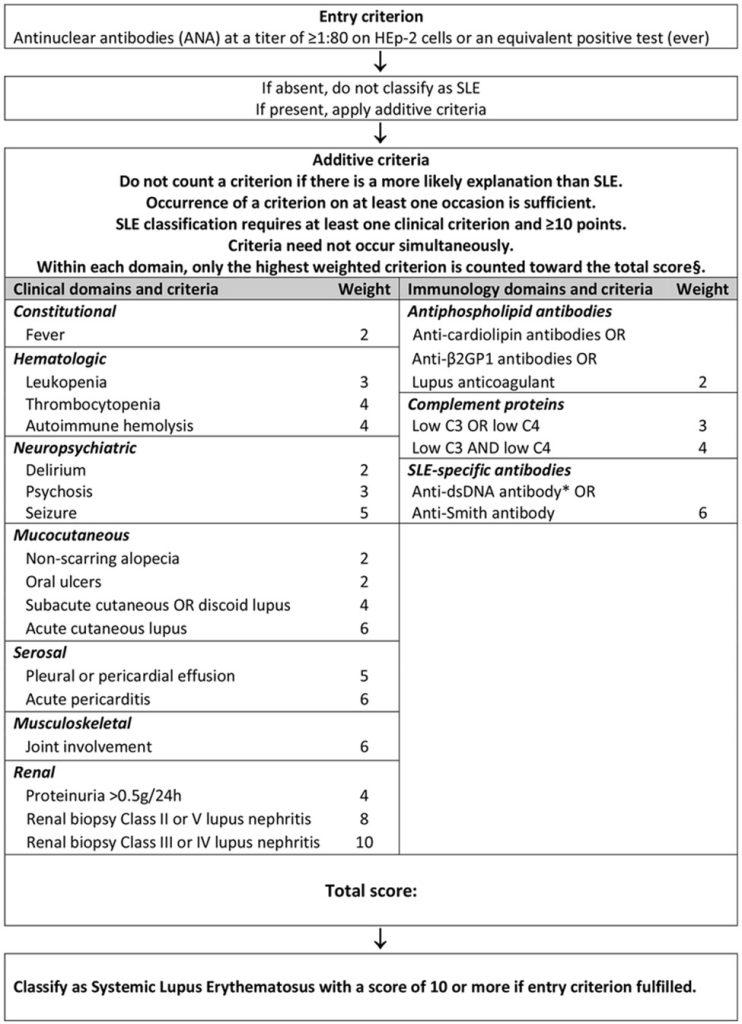
Because lupus mimics other illnesses, it is often called “The Great Imitator or Mimicker”. Key signs include extreme fatigue (feeling exhausted even after a full night’s sleep), joint pain (often felt in the mornings in the wrists, hands, or knees), the butterfly rash (a red rash across the nose and cheeks), chest pain (especially when taking a deep breath), hair loss and unexplained fevers. The American College of Rheumatology (ACR) and European League Against Rheumatism (EULAR) in 2019 developed a Classification Criteria for Lupus and patients who met 10 points or more had an almost 96% chance of having the disease.
Managing Lupus
While there is currently no cure, lupus is not a death sentence. Many Guyanese live full, active lives by working closely with their doctors. Regular check-ups are essential to monitor organ function, especially the kidneys. Wearing long sleeves, wide-brimmed hats, and use of sunscreen to prevent flares caused by the Guyanese sun are also essential. An anti-inflammatory lifestyle with emphasis on avoiding foods that trigger inflammation such as excessive sugars and preservatives and engaging in a moderate intensity exercise of 30 minutes daily helps to lower inflammatory chemicals (cytokines) within the body. Supplements such as Vitamin D, Fish oil and Turmeric can be helpful to also support a healthy functioning immune system. Vaccinations against infections such as influenza, covid-19, shingles and yellow fever are recommended for those especially on immunotherapy.
Medications such as non-steroidal anti-inflammatories (NSAIDs), acetaminophen (Paracetamol) and corticosteroids (Prednisone) may be utilized to manage flares such as fever and joint pain; however long-term control of the disease requires the use of Disease Modifying drugs (DMARDs). Hydroxychloroquine is one of the mainstay medications for lupus as it is shown to reduce the number and severity of flares, decrease disease progression, decrease corticosteroid utilization and improve mortality. It is now widely recognized that the long-term use of corticosteroids is associated with significant risk of developing complications such as thinning of the skin, weight gain, osteoporosis, avascular necrosis, hypertension, diabetes mellitus and cardiovascular disease. These complications not only contribute to a significant burden on Guyana’s economy, but also to the quality of life, functionality and mortality of the individual with lupus.
Newer therapies for lupus are also now available in the United States such as belimumab (Benlysta) and anifrolumab (Saphnelo). These are monoclonal antibodies that target specific cytokines involved in the pathogenesis of lupus such as B-Cell Activating Factor (BAFF) and Type 1 Interferon alpha. The treatment of lupus related kidney disease has also evolved in the last 5 years with stringent targets for proteinuria (protein in the urine). Protein excretion in the urine, although not perfect, correlates well with the degree of inflammation affecting the kidneys. It is now widely recognized that a spot urine protein to creatinine ratio (UPCR) of greater than 0.5 or proteinuria of greater than 500 mg/24 hours conveys a higher risk of progression of lupus related kidney disease to end stage kidney disease and dialysis. This knowledge has led to highly successful initiatives such as “Peeing in a cup sucks, but kidney failure is way worse” campaign which has empowered patients to seek this valuable test at their checkups. Drugs such as voclosporin (Lupkynis), belimumab (Benlysta) and obinutuzumab (Gazyva) has revolutionized the treatment of lupus related kidney disease especially those with the histological profiles of Class III, IV and V disease (requires a kidney biopsy).
Community Support: The Lupus Foundation Guyana works to provide education and support for those newly diagnosed. This organization has also advocated for patients with lupus and provides the avenue for patients to support each other.
Important: If you or a loved one is experiencing persistent joint pain, unexplained rashes, fever, or extreme fatigue, visit your local health center or the Georgetown Public Hospital Corporation (GPHC) for a professional evaluation.