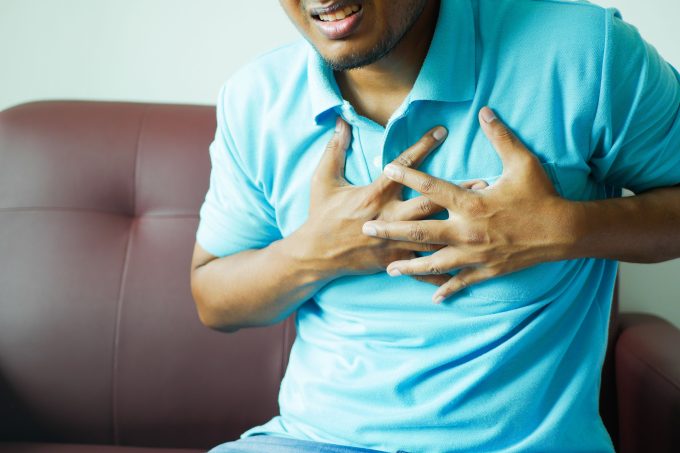


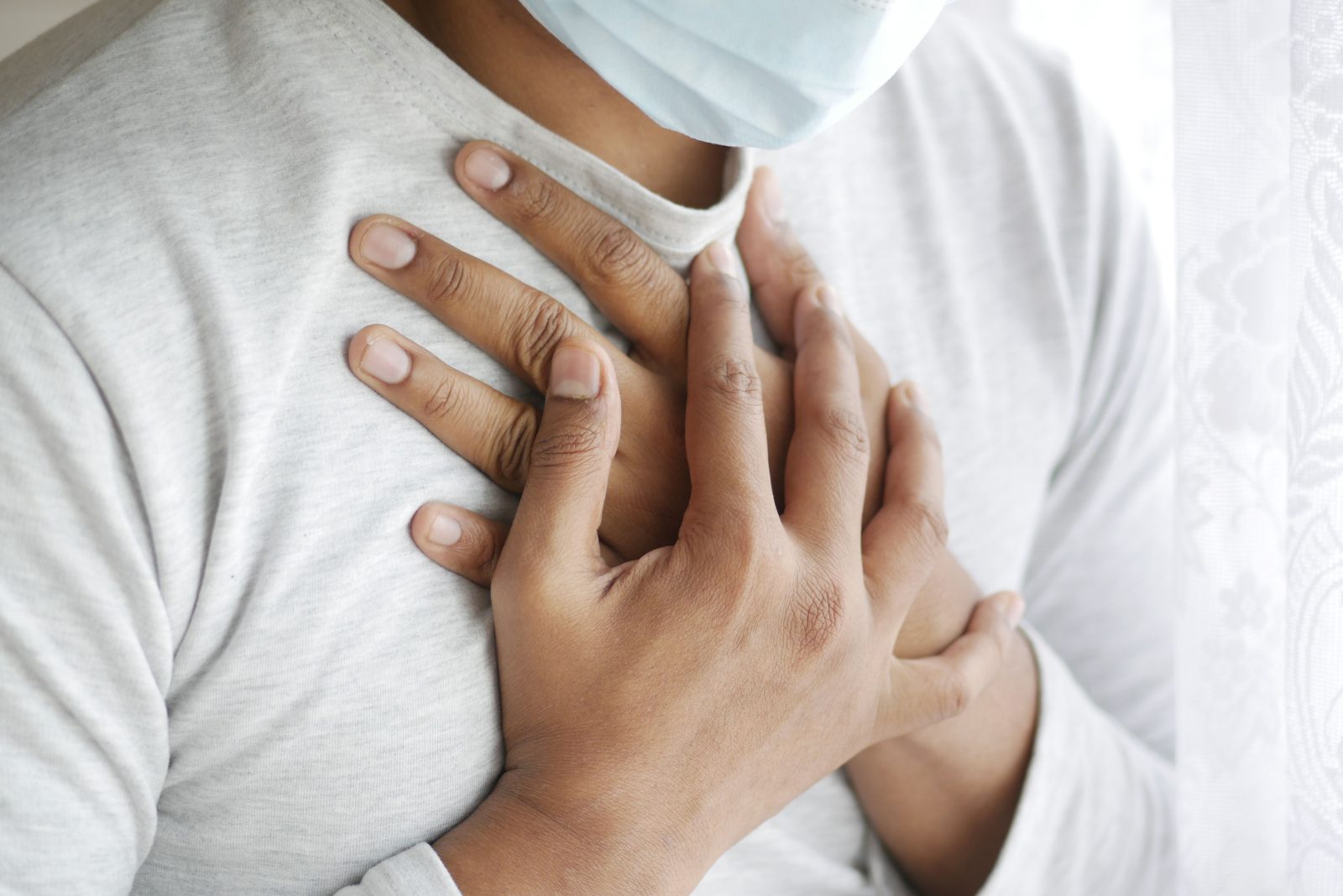
Are you finding yourself often needing to stop to catch your breath?
Is it simply overexertion, or could it be a warning sign?
Too often, people take frequent pauses to “catch a breath” for granted. Many may say, “I’m getting old; the body not working as before,” or “The little extra weight got me blowing hard…”
If you’re not an athlete, then you should be concerned!
It’s called dyspnea.
What is DYSPNEA?
Dyspnea (“disp-knee-ah”) is the term used to describe shortness of breath or breathlessness. It is subjective and is a symptom, not a diagnosis.
Dyspnea can be characterized by its acuity and its association with exertion and positioning:
- Acute, intermittent, and chronic dyspnea
- Dyspnea at rest and exertional dyspnea
- Orthopnea, which refers to dyspnea occurring in the reclining position and improving when sitting or standing
- Platypnea, which refers to dyspnea increasing in the sitting or standing position
Causes of DYSPNEA
Cardiac (Heart)
- Acute heart failure with pulmonary edema (weak heart with fluid in the lungs)
- Myocardial ischemia (MI), also known as a heart attack
- Arrhythmias (irregular heartbeat)
Respiratory (Lungs)
- Asthma/COPD exacerbation (chronic lung disease)
- Pneumonia (infection)
- Pulmonary embolism (PE) — blood clot in the lungs
- Pneumothorax (collapsed lung)
Other Causes
- Anemia (low blood count)
- Metabolic acidosis (e.g., diabetic ketoacidosis, lactic acidosis)
- Other metabolic disorders — thyroid, liver, kidneys, etc.
- Anxiety/panic disorder
- Neuromuscular conditions (e.g., Guillain-Barré syndrome)
- Chemical or gas poisoning (exposure)
Associated Symptoms
Other symptoms associated with dyspnea can provide important clues about its possible cause:
- Chest pain → MI, PE
- Cough + sputum → infection, COPD
- Wheeze → asthma, COPD
- Hemoptysis (coughing blood) → tuberculosis, cancer, PE
- Fever → infection
- Leg swelling → heart failure, deep vein thrombosis (blood clot in the leg)
How do we differentiate DYSPNEA on assessment?
The pattern and progression of dyspnea can help doctors determine its possible cause.
| Pattern | Possible Causes |
| Sudden onset of dyspnea, often with severe chest pain | Pneumothorax, pulmonary edema, foreign body aspiration, MI, PE |
| Dyspnea progressing over minutes to hours, often with wheezing | Asthma (history of asthma attacks); exacerbation of COPD; acute left heart failure (e.g., in acute MI) |
| Dyspnea progressing over hours to days, often with fever and expectoration | Pneumonia, acute bronchitis |
How do we treat DYSPNEA?
Treatment depends on the cause and the assessment made by the doctor.
Cardiac
Treatment may include fluid restriction, echocardiogram, medication to control heart rate and remove fluid, blood thinners (injection or tablet), oxygen therapy, etc.
Respiratory
Treatment may include antibiotics, nebulization, oxygen therapy, etc.
Other
Treatment may include intravenous medication or fluids, blood transfusion, psychiatry evaluation, oxygen therapy, etc.
When should you seek urgent care or call for help?
Go to the nearest Emergency Room if you are experiencing any of the following:
- Sudden or severe shortness of breath, especially if unprovoked
- Chest pain or tightness
- Trouble speaking in full sentences
- Bluish lips or fingers
- Fainting, dizziness, or light-headedness
What can you do while awaiting help?
- Sit upright. Don’t lie flat if it worsens your breathing.
- Try to stay calm and take slow, deep breaths.
- Use prescribed medications, such as inhalers, as directed.
- Avoid triggers such as smoke, dust, and strong smells.
What to expect at the Emergency Department?
At the Emergency Department, you may undergo:
- Vital signs: temperature, respiratory rate, oxygen saturation, heart rate, and blood pressure
- History-taking by a health professional (nurse and doctor)
- Physical examination: listening, touching, or tapping the chest and other areas deemed necessary
- Electrocardiogram (ECG/EKG)
- Chest X-ray
- Blood tests
- CT pulmonary angiography, if required
- Oxygen therapy, if required
- Oral and intravenous medication, if required
- Noninvasive or invasive ventilatory support, if required
Note: Depending on the cause and severity, you may be admitted to the hospital for further management or discharged to follow up in a specialist clinic or health center.
What to expect if admitted to the hospital?
If you are admitted to the hospital, you can expect:
- Daily review and interaction with your admitting team
- Daily review and interaction with the specialist team, depending on the cause of the dyspnea
- A series of blood tests and scans, if required
- Daily checking of vital signs by staff
- Daily medication administration by staff (tablets, injections, or liquids)
- Adjustments to the treatment plan, if deemed necessary
- A length of hospital stay that depends on your response to treatment and the severity of your case
What to expect once discharged from the hospital?
After discharge, it is important to:
- Comply with all prescribed medications, including tablets or inhalers
- Report any issues arising from medication or treatment immediately to a health-care professional (doctor or nurse) and do not stop treatment on your own
- Follow up adequately with a specialist or health center for review of medication and assessment of its effects
- Attend routine clinic visits for general wellness checks
- Stop smoking and limit alcohol use
- Stay active, as advised by your doctor
- Maintain a healthy, balanced diet
TAKEAWAY!
Dyspnea is a warning sign from your body.
Some causes may be mild and self-resolving (such as in athletes), but others can be serious. Don’t ignore shortness of breath, especially if it is new or worsening.
Get it checked out!