

What is Osteoporosis?
Osteoporosis is a silent, progressive bone disease, characterized by reduced bone strength and a high risk of fractures with minor trauma.
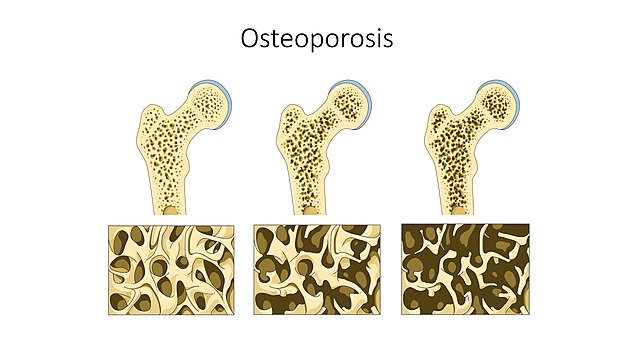
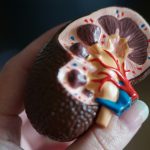
Bone is a living tissue that requires adequate nutrition to remain healthy and strong. There is an ongoing cycle where old bone is constantly reabsorbed and replaced with new bone. If there is an imbalance where new bone is not made fast enough or strong enough, the resulting bone will be weak. Several factors influence bone health, including exposure to sunlight, estrogen level, medication use, underlying health conditions, and levels of vitamin D, calcium, magnesium, and other elements. Sunlight is crucial for vitamin D production, as vitamin D is produced in the skin when it is exposed to ultraviolet B rays. In the Caribbean, we have an abundance of sunshine; however, the darker one’s skin is, the less vitamin D they naturally produce. In the elderly, the skin produces less vitamin D when exposed to sunlight compared to younger people. The primary sources of vitamin D are sun exposure and dietary intake. The kidney plays a crucial role in Vitamin D metabolism; therefore, patients with kidney disease and those undergoing dialysis are at an extremely high risk of developing osteoporosis.
Who gets Osteoporosis?
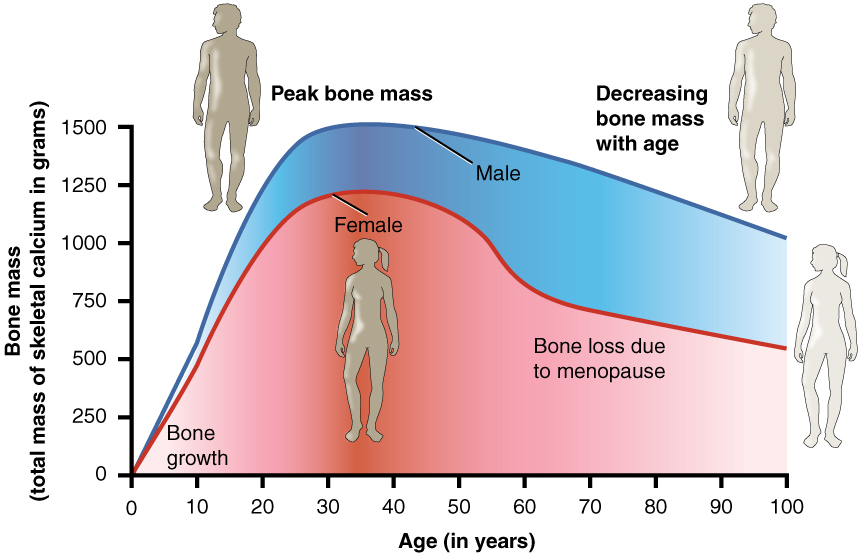
Osteoporosis affects females more frequently than men and worsens with advancing age especially after menopause as estrogen levels decrease. It can also affect younger people, female athletes are at high risk for osteoporosis, a syndrome called female athlete triad, characterized by menstrual disturbance, low energy/eating disorder, and low bone mass. Ideal bone mass is typically achieved before the age of 30 and then rapidly declines in women after they reach menopause. Men can also get osteoporosis, especially those with low testosterone levels, prostate cancer, steroid use, and kidney disease.
Bone mass is highest in Blacks and lowest in Chinese and Indians, making them more at risk for osteoporosis. Blacks have higher bone mass and fewer fractures early on in life, but have worse health outcomes after a hip fracture that occurs later in life. There is a high rate of spine fractures in both Chinese men and women. Indians have an average of about 5-15% lower bone mass and a high incidence of osteoporosis and hip fractures. Indian women tend to experience menopause at an earlier age, losing the protective effect of estrogen, which contributes to a higher risk of osteoporosis.
Why is Osteoporosis important?
As the worldwide population ages, the incidence of osteoporosis is expected to increase. Fractures are a primary health concern in that they consume significant health resources and are costly to treat, contribute to disability, chronic pain, poor quality of life, and increase the risk of death. The spine, wrist, shoulder, and hip are common sites for fractures, but hip fractures are the most serious.
After a hip fracture, 20% of people are dead within 1 year, 30% have a permanent disability, 40% are unable to walk independently, and 60% will need assistance to live one year later; the outcome is worse for men, especially black men, who tend to experience fractures later in life. A woman’s risk of dying from a hip fracture is high and exceeds the lifetime risk of death from many cancers.
How do I know if I have Osteoporosis?
A fracture that occurs from a low-level fall or minor trauma, or coughing, the loss of more than 1-2 inches in height after menopause are all suggestive of osteoporosis. A DEXA or Dual-energy X-ray Absorptiometry is a special type of X-ray used to calculate a Bone Mineral Density [ BMD], and it is the gold standard for diagnosis. The test results will have two scores a T-score and a Z-score, for older adults the T-score is used. A score of -1 or higher is healthy bone, osteopenia or weaker bone score between -1 to -2.5 and osteoporosis score is lower than -2.5. These scores are compared on repeat testing to measure the effectiveness of medication response. The FRAX (Fracture Risk Assessment Tool) is a free online calculator used to estimate a person’s 10-year probability of fracture using the DEXA results and other factors such as age, race, region, and smoking.
Screening is recommended for all women aged 65 years and older and for postmenopausal women under 65 years old who have one or more risk factors for an osteoporotic fracture. However, recommendations from China are to screen Chinese men, too, due to the high incidence of spine fractures in both men and women, and India recommend starting screening at about age 60, since osteoporotic fractures occur earlier in Indians than in the West.
How to prevent Osteoporosis?
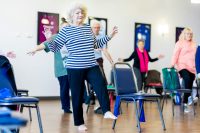
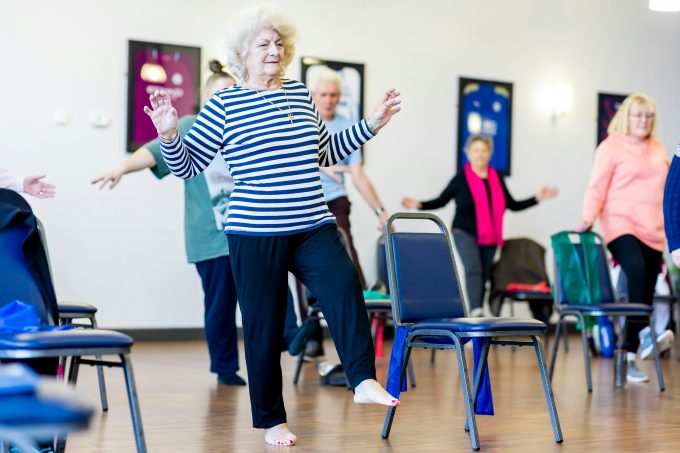
Making dietary and lifestyle changes can decrease the risk of osteoporosis. These include stopping smoking and reducing alcohol consumption. Obtain adequate sunlight exposure and increase physical activity by incorporating a combination of weight-bearing exercises, strength training, and balance exercises. However, avoid twisting or bending of the spine, as this can cause fractures.
Factors Affecting Bone Loss:
Age:
Bone mass peaks at about age 30 and declines afterwards. Loss accelerates after menopause due to decreased estrogen levels.
Hormonal Changes:
Menopause, low testosterone levels, and thyroid diseases all contribute to increased bone loss.
Medication:
Certain medications increase the risk of osteoporosis, such as steroids, and medications used to treat heartburn and seizures. Never stop your medication before consulting your doctor.
Diseases:
Calcium and Vitamin D deficiency, rheumatoid arthritis, gut malabsorption, and kidney and liver disease can all lead to weakened bones.
Lifestyle Factors:
Smoking, excessive alcohol consumption, obesity, sedentary lifestyle, and excessive caffeine intake contribute to reduced bone strength.
Calcium and Vitamin D:
Supplement low calcium and Vitamin D levels. Generally, about 1,000 mg of calcium and 800 IU of Vitamin D daily are required to treat osteoporosis. Eat a diet rich in these nutrients. Dairy products like milk, cheese, and yogurt are excellent calcium sources, while green leafy vegetables are good alternatives for those who are lactose intolerant.
Fall Prevention:
The goal is to prevent falls that can cause fractures by removing trip hazards such as rugs, electrical cords, and clutter, and by using nightlights after dark to improve visibility. Balance exercises, such as tai chi, have proven very effective in reducing the risk of falls.
Is Osteoporosis treatable?
Yes. There are prescribed medications, both in the form of tablets and injections that can be started early as a preventative measure and for treatment of the disease. Your physician will discuss and recommend the correct medication based on your medical history, fracture risk, and test results.