

A Silent but Growing Crisis
As a doctor working in Guyana, one of the conditions I see every single day is kidney disease. Many Guyanese hear the word “dialysis” or “kidney failure,” but very few fully understand how silently kidney disease develops or how widespread it has become in our country. What troubles me most is that most of the cases I manage could have been prevented with early detection and lifestyle changes. Kidney disease is not a rare problem anymore; it is now one of the fastest growing chronic illnesses in Guyana, affecting people in their 20s, 30s, and 40s, long before many of them expect to get sick.
What Our Kidneys Actually Do
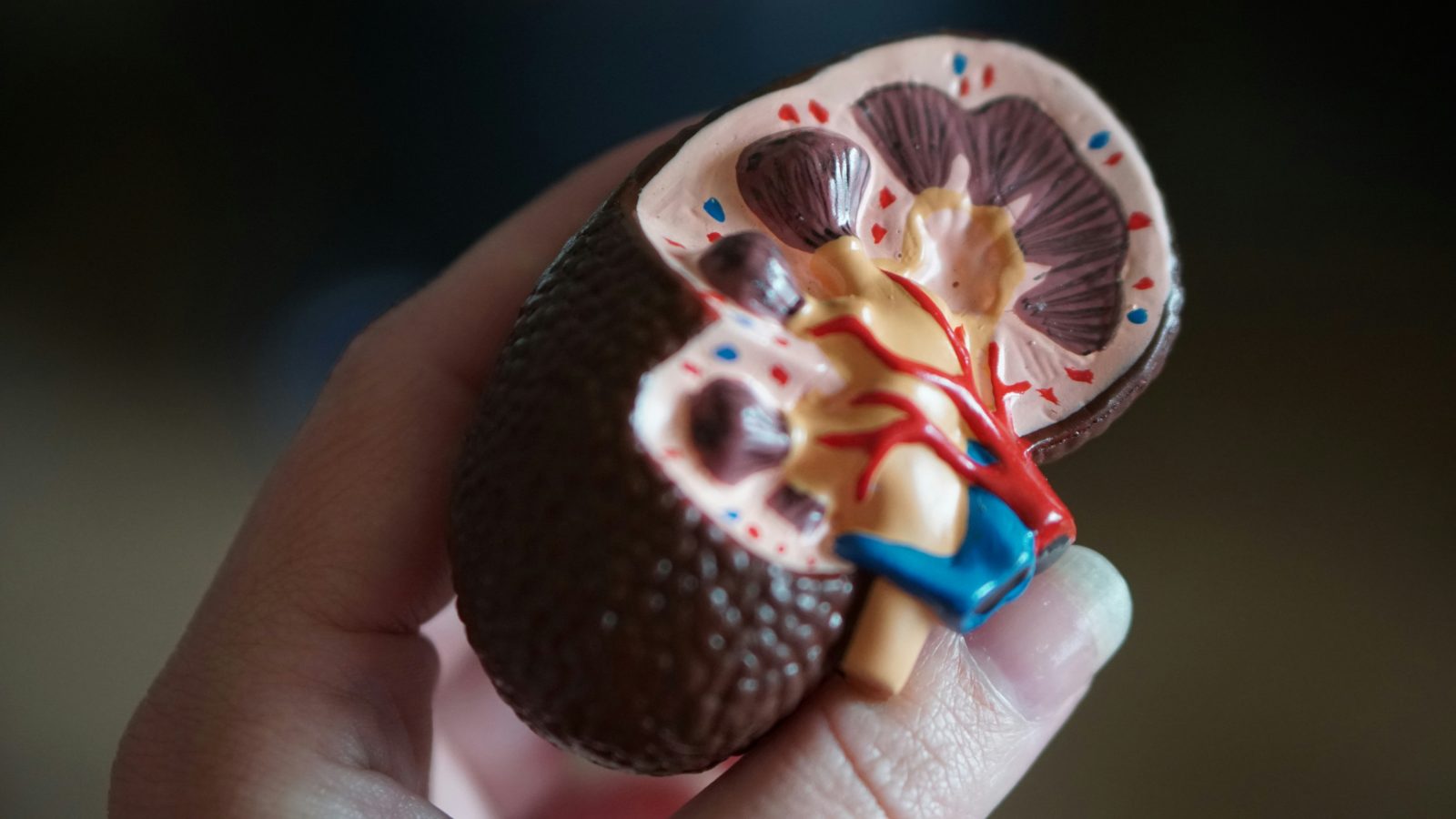
We often think of the kidneys simply as the organs that produce urine, but they are responsible for several essential functions that keep the body balanced. The kidneys filter the blood, removing toxins and excess fluid, but they also regulate blood pressure, maintain proper levels of electrolytes like potassium and sodium, help keep our bones healthy, and signal the bone marrow to make red blood cells. When your kidneys begin to fail, every system in the body feels the impact.
Because the kidneys are so efficient, people can lose up to 80–90% of kidney function before experiencing symptoms. This is why kidney disease feels so sudden for many—it progresses quietly for years, and when symptoms finally appear, the damage is often severe.
How We Stage Kidney Disease
Kidney disease is categorized into five stages based on the estimated glomerular filtration rate (eGFR), which measures how well your kidneys filter blood.
- Stages 1 and 2 involve early damage, often with normal or near-normal kidney function but with protein in the urine or abnormal imaging.
- Stage 3 reflects moderate kidney dysfunction and is often when symptoms like fatigue or mild swelling begin.
- Stage 4 is advanced disease, when kidney function drops significantly and complications become more common.
- Stage 5, also called end-stage renal disease or kidney failure, is when the kidneys function at less than 15%.At this point, the body cannot adequately remove toxins or fluid, and patients require renal replacement therapy to stay alive.
Understanding these stages is important because early-stage disease can be slowed or reversed, while late-stage disease is much harder to manage.
Why Kidney Disease Is Growing in Guyana
Kidney disease is increasing worldwide, but Guyana’s situation is especially concerning. Several factors are driving the rise:
1. High Rates of Diabetes and Hypertension
These two conditions are the leading causes of kidney disease worldwide, and Guyana has one of the highest diabetes rates in the Caribbean. Poor dietary habits, processed foods, high sugar intake, and limited physical activity all contribute. Uncontrolled blood pressure silently damages the kidneys over time.
2. Late Presentation to Healthcare
It is common for patients to seek medical attention only when they become very ill. By the time swelling, shortness of breath, or severe fatigue set in, the kidneys are often severely damaged.
3. Poor Medication Adherence
Many patients stop taking their hypertension or diabetes medications once they begin to feel better. But kidney damage continues quietly even when symptoms appear minimal.
4. Overuse of Painkillers
Drugs like diclofenac, ibuprofen, and naproxen are frequently used in Guyana, sometimes daily. Long-term use can significantly damage kidney function.
5. Limited Public Knowledge
Many Guyanese do not know what early kidney disease looks like or how to protect their kidneys through diet, lifestyle, and regular checkups.
Renal Replacement Therapy for Stage 5 Kidney Disease
When patients reach Stage 5 kidney failure, the kidneys can no longer sustain the body’s basic functions. At this stage, individuals require renal replacement therapy, which includes dialysis or kidney transplantation. In Guyana, hemodialysis is the most widely available option, using a machine to clean the blood three times per week. Peritoneal dialysis which is done at home using the lining of the abdomen, is less common but an important option for select patients. The best treatment for Stage 5 disease is a kidney transplant, which offers the closest thing to a normal life and long-term survival. Transplants reduce the need for long-term dialysis and allow patients to return to work and family activities, but organ donation requires continued public support and development of transplant infrastructure. Regardless of the method, renal replacement therapy becomes a critical lifeline once the kidneys can no longer function on their own.
Dialysis in Guyana: A Rising Burden
The number of dialysis patients in Guyana has grown dramatically over the past decade. Dialysis saves lives, but it is demanding and emotionally draining. Patients require treatment three times per week, each lasting several hours. It affects their ability to work, travel, and maintain family life. Many of the patients I see are young people who should be raising families and building their careers. Dialysis is also costly, and the growing number of patients puts pressure on our healthcare system.
How to Protect Your Kidneys: Practical Steps Every Guyanese Can Take
Kidney disease is preventable in most cases. The following steps can significantly lower your risk:
1. Annual Kidney Screening
A simple creatinine test, urine protein test, and blood pressure check can detect early damage.
2. Manage Blood Pressure
Know your numbers. Take medications consistently.
3. Control Blood Sugar
Diabetes is a major cause of kidney failure. Good control prevents long-term damage.
4. Avoid Daily Pain Tablets
Chronic use of painkillers is harmful to the kidneys.
5. Make Healthier Dietary Choices
Reduce salt, sugar, and processed foods. Small changes make a big long-term difference.
6. Stay Physically Active
A daily walk helps control weight, blood sugar, and blood pressure.
7. Drink Water in Moderation
Balance is important, too little or too much can stress the kidneys.
Why Early Specialist Care Matters
Too often, patients only see a nephrologist once their kidneys are severely damaged. Early referral can prevent dialysis or delay its onset for years. Anyone with diabetes, hypertension, protein in the urine, lupus, recurrent kidney stones, or unexplained swelling should see a kidney specialist early.
Kidney disease does not develop overnight. It is a silent, progressive illness that often goes unnoticed until it becomes severe. But with early screening, better lifestyle habits, and consistent treatment of chronic conditions, most kidney disease can be prevented. As Guyanese, we must shift from reacting to illness only when it becomes severe to protecting our health early. Your kidneys work hard for you every single day, it’s time we start taking better care of them.