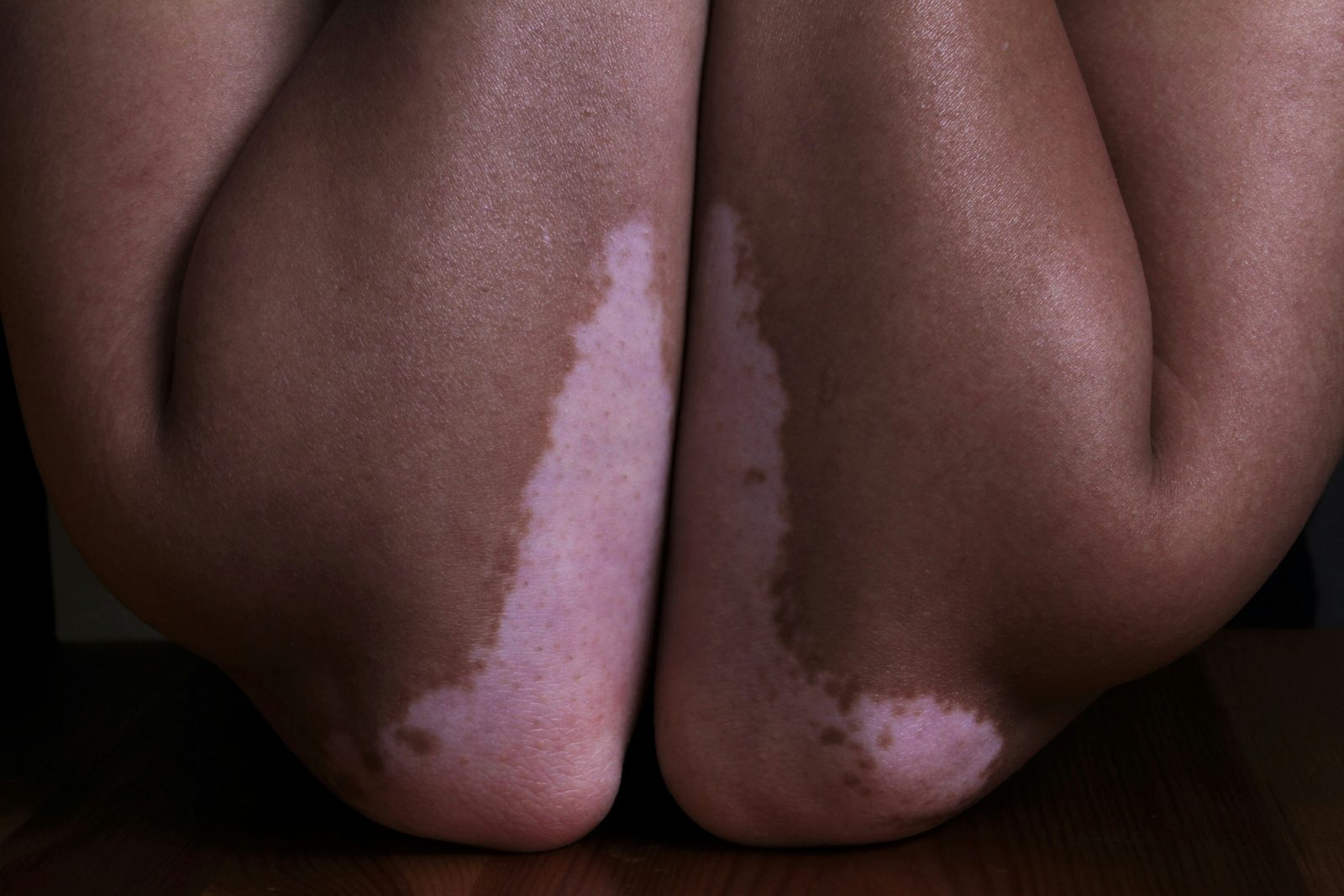
Vitiligo is an autoimmune condition that touches the lives of many across Guyana and the Caribbean, even though it is often misunderstood. In a region such as ours, celebrated for its rich diversity of skin tones, sunshine-filled days, and vibrant cultural identity, changes in skin pigmentation can carry deep emotional weight.
Many would have watched the recently concluded Caribbean Premier League (CPL) T20 cricket competition and would have seen the lighter skin on St. Lucia Kings top order batsman John Campbell. Attention to vitiligo in Guyana is also not new as this condition was highlighted in the local publication, Stabroek News in 2019, when Tashana Ramdeholl documented her journey with the disease. For people living with vitiligo, the journey involves not only managing a medical condition but also navigating social perceptions, cultural beliefs, and access to effective treatment options.
This article explores vitiligo through a Guyanese lens, what it is, why it happens, how it affects daily life, and how individuals and communities can support those living with it.
What Is Vitiligo?
Vitiligo is a chronic skin condition in which the immune system mistakenly attacks melanocytes, the cells responsible for producing melanin, the pigment that gives skin, hair, and eyes their color. When these cells are damaged or destroyed, patches of skin lose their pigment and appear lighter or completely white.
These patches can appear anywhere on the body, but commonly show up on the face, hands, feet, elbows, knees, and around body openings such as the mouth and eyes. Vitiligo can also affect hair, causing eyebrows, eyelashes, or scalp hair to turn white prematurely.
Worldwide, vitiligo affects about 1% of the population, and it occurs in people of all ethnic backgrounds. In Guyana and the Caribbean, however, where deeper skin tones are common, the contrast between affected and unaffected skin can make the condition more noticeable and sometimes more emotionally challenging.
Why Vitiligo Happens
Health care professionals classify vitiligo as an autoimmune condition. This means the body’s immune system, which normally protects against infections, mistakenly targets healthy melanocytes. While the exact cause is still being researched, several factors are known to contribute:
- Genetics: Vitiligo can run in families, especially alongside other autoimmune conditions.
- Environmental triggers: Severe sunburn, skin trauma, or exposure to certain chemicals found in household products, perfumes, detergents, hair dyes and rubber products may trigger or worsen vitiligo. Dietary factors such as the increased consumption of sugary and processed foods may also play a role.
- Stress: Emotional or physical stress sometimes precedes the appearance of new patches.
- Other autoimmune conditions: Thyroid disease, type 1 diabetes, and alopecia areata are more common in people with vitiligo.
It is important to recognize vitiligo is not contagious, not caused by poor hygiene, and not a sign of illness. It is simply a condition where the body’s immune system behaves differently.
Vitiligo in the Guyanese Context
Our environment and culture shape the experience of vitiligo in unique ways.
1. High Sun Exposure
The tropical climate means strong sunlight year-round. While sunshine is part of daily life such as outdoor markets and festivals, it also increases the risk of sunburn for depigmented patches, which lack melanin’s natural protection. People with vitiligo often need to use sunscreen more consistently, wear protective clothing, or seek shade during peak UV hours.
2. Cultural Beliefs and Stigma
In Guyana, skin conditions can sometimes be misunderstood. In some communities, vitiligo may be linked to myths, superstitions, or incorrect assumptions. This can lead to teasing, isolation, or emotional distress, especially for children and teens. However, awareness is growing. More, like Tashana Ramdeholl and John Campbell are sharing their vitiligo journeys, helping to normalize the condition and reduce stigma.
3. Access to Dermatology Care
Healthcare access varies widely in Guyana. Cities such as Georgetown may have dermatologists and phototherapy clinics, however more rural and hinterland areas may have limited specialist care. This can affect how quickly people receive a diagnosis, treatment options, and emotional support.
4. Diversity of Skin Tones
Guyana is home to a beautiful spectrum of skin tones. Vitiligo’s visibility can differ depending on the contrast between affected and unaffected skin. For some, patches may be subtle; for others, they may be striking. This diversity means each person’s experience is unique.
Types of Vitiligo
Vitiligo appears in different patterns:
- Generalized vitiligo: The most common type, with patches on both sides of the body.
- Segmental vitiligo: Patches appear on one side or in one area, often starting young.
- Localized vitiligo: A few patches in a limited area.
- Universal vitiligo: Most of the skin loses pigment. This pattern is rare.
Understanding the type helps guide treatment and expectations.
Diagnosis
A health care provider such as a dermatologist typically diagnoses vitiligo through a physical examination. They may use a Wood’s lamp, a special UV light that highlights depigmented areas. Vitiligo may be confused with fungal skin infections and other conditions such as Tinea Versicolor which can also cause the skin to appear lighter. Blood tests may be recommended to check for related autoimmune conditions. Early diagnosis can help individuals understand their condition and explore treatment options sooner.
Treatment Options
While there is no cure for vitiligo, several treatments can help restore pigment or stabilize the condition:
- Topical corticosteroids: Reduce inflammation and may help repigment skin, however paradoxically long-term use of topical corticosteroids can lead to skin atrophy, bruising and depigmentation.
- Calcineurin inhibitors: These are useful for sensitive areas like the face and include topical tacrolimus ointment and pimecrolimus cream. These topical treatments are advantageous in that they are not associated with the long-term adverse effects of corticosteroids documented above.
- Topical Vitamin D preparations such as Calcipotriol in combination with topical corticosteroids or phototherapy. Vitamin D deficiency is often recognized in people with vitiligo. Although some small studies suggest there may be a benefit with high dose oral Vitamin D therapy, this was not proven in larger placebo controlled clinical trials and may in fact be harmful in those who are not Vitamin D deficient.
- Depigmentation therapy: For extensive vitiligo, some choose to lighten remaining pigmented skin.
- Cosmetic camouflage: Makeup or tinted creams can help even out skin tone.
- Systemic therapies: Systemic therapies are typically reserved for progressive, widespread, or fast spreading, non-segmental vitiligo where topical creams and light therapy are insufficient. These include Janus kinase (JAK) inhibitors such as upadacitinib (Rinvoq) and tofacitinib. This class of medication is also useful for alopecia areata (autoimmune hair loss). Conventional immunosuppressants such as methotrexate, cyclosporine, azathioprine and mycophenolate mofetil are also used to calm the immune system, however the utilization of these medications are often limited by adverse effects such as susceptibility to infections among others.
Treatment success varies, and many people choose not to pursue medical treatment at all. Vitiligo is not harmful, and embracing one’s unique skin is a valid and empowering choice.
Emotional and Social Well‑Being
Living with vitiligo can affect self-esteem, especially in cultures where appearance is closely tied to identity. People with a darker complexion with vitiligo often describe feeling self-conscious in social settings, worry about stares or questions, struggle with confidence especially during adolescence and experience curiosity or misunderstanding from others.
Supportive family, friends, and communities make a tremendous difference. Counseling or support groups can also help individuals navigate emotional challenges.
Building Awareness and Acceptance in Guyana
Guyana is evolving. More people are speaking openly about vitiligo, challenging stereotypes, and celebrating skin diversity. Media platforms such as this publication can help by educating communities about vitiligo, promoting inclusive beauty standards, support individuals with visible differences and encourage empathy and understanding. Vitiligo does not define a person, it is simply one part of their story.
Conclusion
Vitiligo in Guyana is more than a medical condition; it is a lived experience shaped by culture, climate, and community. With greater awareness, improved access to care, and growing acceptance, Guyanese with vitiligo can thrive confidently and proudly. Whether someone chooses treatment, embraces their patches, or simply seeks understanding, Guyana’s spirit of resilience and unity offers a powerful foundation for support.