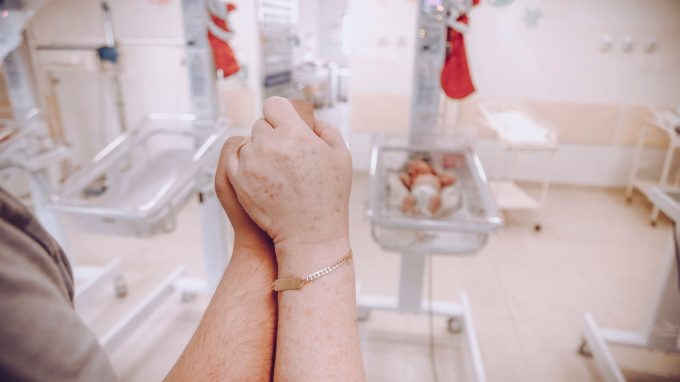



“Life is not lived in a straight line. Life is more like a spiral that has turns, pivots, changes and roundabouts, but it is always moving forward.” — Unknown
The journey of life starts the moment we are conceived. Oftentimes, when we think about the things that are happening to us and question why we feel the way we do, or why we are the way we are, we tend to focus on the present and recent past. But historically, the origin often goes much further back.
It is important to consider the existing family history of mental health from both our parents’ families, as there are significant genetic and hereditary components. Other factors to consider include understanding the history of a pregnancy and delivery, as these can also substantially affect a person’s mental health later in life.
An increased risk of developing conditions such as anxiety, depression, and even Post-Traumatic Stress Disorder (PTSD) can result from:
- Experiencing untreated mood and anxiety disorders during the period immediately before and after childbirth.
- Complications during pregnancy and childbirth.
- Traumatic deliveries.
It is also important to note any medical conditions or history of frequent head impacts or falls during childhood, as these too can increase the risk of developing mental health conditions later in life.
How Our Early Environment Shapes Us
Our environment and life experiences shape us and influence the way we think, grow, approach life, interact with others, and see ourselves. The saying, “Home is where our story begins,” rings true, as home is often where personal growth, hopes, and dreams first take root.
As such, we need to place emphasis on how a dysfunctional home can affect children by:
- Creating emotional instability through an unpredictable environment, living in fear, or experiencing emotional neglect.
- Affecting their self-esteem and confidence by constant comparison, making them feel like they are not good enough, or placing blame on them for problems within the home.
- Bringing about behavioural problems because they do not know how to cope with family issues or process their trauma.
- Creating an inability to regulate emotions if these feelings go unaddressed, if they are made to feel it is wrong to have emotions, are unable to express them, or are reprimanded for doing so.
These experiences can affect the way children learn, perform academically, interact with others, and may even contribute to the development of medical conditions such as asthma, gastrointestinal problems, and immune system dysregulation.
We often overlook the possibility of children and adolescents developing mental health conditions or experiencing difficulties that require therapy because we think, “Well, what problems could they possibly have?” In doing so, these issues often extend into adulthood and worsen over time.
Breaking the Stigma Around Mental Health
Despite growing global awareness of mental health, the idea of seeking help for our problems—and the possibility of being diagnosed with a condition that requires treatment—remains highly stigmatized. It is often accompanied by fear of judgement, societal shame, and personal barriers, making the process much more difficult and frustrating.
The rhetoric of labelling people as weak, flawed, broken, or sick prevents many from getting the help they truly need.
There is constant encouragement to take care of our physical health—to eat better, sleep better, and take medications for our medical conditions so we can “live a healthy life.” Yet we often take for granted one of the most vital organs in our body: the brain. It serves as our central command centre, regulating our essential functions, movement, and sensory processing.
It is imperative to understand that we cannot function at our best without good mental health.
Having good mental health is not simply the absence of mental illness. Rather, it is a state of psychological, emotional, social, and spiritual wellbeing that influences how we think, feel, act, navigate challenges, and interact with others.
The Role of Therapy
People seeking help may reach out to religious or spiritual leaders, trusted community counsellors, advocates, social workers, school counsellors, friends, or family members within their support system. However, not everyone has a solid or trusted support network to rely on. In some cases, a more professional level of care is needed.
That can be unnerving, and understandably so, as it involves opening up to a “stranger,” even if they are a medical professional. The aim of therapy is to help you help yourself in your day-to-day life by providing a neutral, non-judgemental, and fully confidential environment where you can share your thoughts and feelings. Through this process, you are equipped with coping mechanisms that you can apply in everyday life.
This can be a very difficult process because it often involves revisiting the past and may result in the resurfacing of unpleasant and unwanted emotions. But therapy is challenging before it is helpful.
The Butterfly Effect of Healing
Think of therapy as being similar to the transformation of a caterpillar into a butterfly.
Metaphorically, the chrysalis stage—where the caterpillar dissolves into what appears to be a chaotic, formless liquid—represents us surrendering to the healing process. It is about opening ourselves, accepting change, and allowing ourselves to feel everything we may have been avoiding. It is a messy period of healing and self-discovery, of reflection and questioning, of moving away from old notions and people-pleasing, and learning to validate ourselves.
It is learning to become the person you have always needed while simultaneously learning to cope with the present and laying the blueprint for future versions of yourself.
Then comes the emergence of the butterfly—the new version of yourself who has endured the necessary hardship and effort required for personal growth, resilience, and character development. It is learning to set boundaries, understanding your value and worth, gaining new perspectives, and developing healthy coping mechanisms to carry you through life.
That is truly an accomplishment to be proud of.
Moving Forward
Life is full of changes and circumstances that are beyond our control. Because of this, we too must continually grow, evolve, and adapt.
Know that reaching out for guidance and assistance is not a sign of weakness. Rather, it is a valuable tool that can help you along your journey.
No one else can live your life or do your healing for you. It is a deeply personal journey—but it is one you do not have to walk alone.