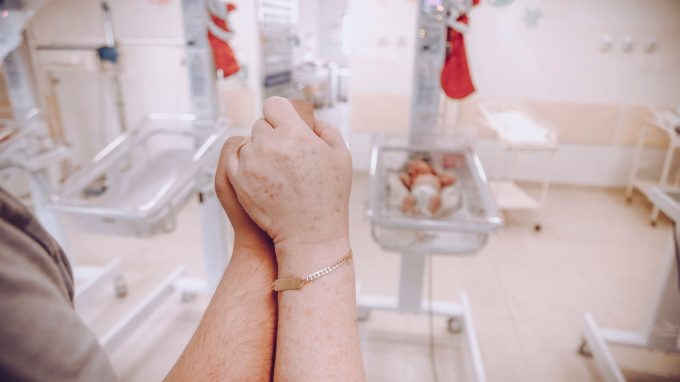



Congratulations, Mom and Dad!
Your little one has graduated from the NICU (Neonatal Intensive Care Unit)
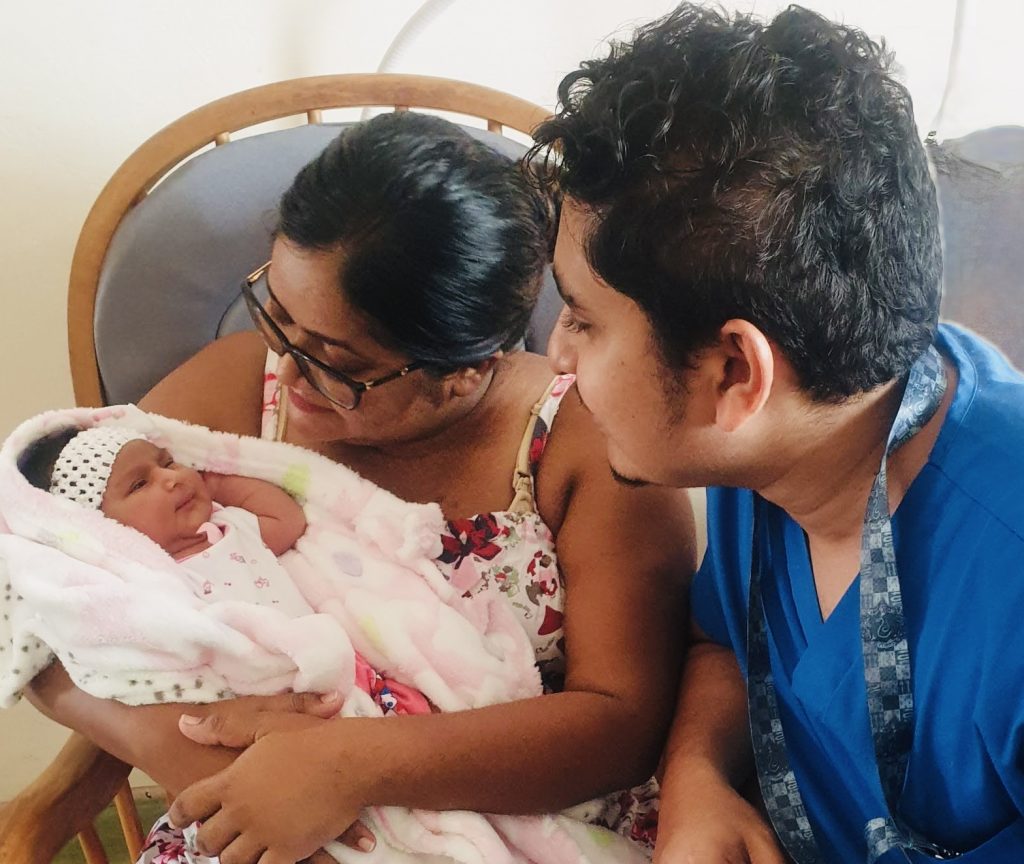
Bringing home a preterm baby (a “preemie”) is both joyful and challenging. Because their organs and immune systems are still developing, they require extra protection, especially in the first months at home.
Both visitors and caregivers play a vital role in creating a safe and supportive environment for the preemie baby.
Why Preterm Babies Need Special Protection
Immature Immune System
Preterm infants are more vulnerable to infections because their bodies cannot fight off germs as effectively as full-term babies. Even a mild cold in an adult can become dangerous or life-threatening in a preemie.
Lung Development
Their lungs may be underdeveloped, making them prone to breathing difficulties or severe illness from viruses like RSV (respiratory syncytial virus).
Growth Needs
They need to conserve energy for growth and development. Too much handling or overstimulation can interfere with feeding and rest.
Did You Know? RSV is the leading cause of hospitalization in infants under 1 year — and preterm babies are at the highest risk.
Here are some rules you can apply to friends and family who want to visit the baby at home.
The 10 Rules for Visitors
1. Health Is Non-Negotiable
Visitors must be symptom-free. Even a “small” cough, runny nose, cold sore, or upset stomach can put the baby at risk of serious infection. Parents should feel empowered to cancel or reschedule visits without guilt.
2. Hand Hygiene First
All visitors should wash their hands with soap and warm water for at least 30 seconds before holding or touching the baby. Alcohol-based sanitizers are useful, but soap and water are best when hands are visibly dirty.
3. Masks When Appropriate
Wearing a mask helps protect babies from droplets that carry viruses, especially during flu or RSV season. This is particularly important for people who work in hospitals, daycare centers, or other high-risk environments.
4. Limit Visitor Numbers
Babies can become overstimulated with too much noise and handling. Keeping visits to one or two people at a time reduces infection risks and keeps the environment calmer.
5. No Smoking or Strong Scents
Even smoke particles carried on clothing can irritate a baby’s lungs. Strong perfumes or scented lotions can also trigger breathing difficulties or allergic reactions.
6. Up-to-Date Vaccinations
Close family and frequent visitors should receive seasonal flu shots, whooping cough (Tdap), and COVID-19 boosters. This protective strategy creates a safe shield around the baby through “herd immunity”.
7. Respect the “No Kissing” Rule
Babies’ skin and mucous membranes are delicate entry points for viruses such as herpes simplex, which can cause severe illness in newborns. Kisses should be avoided on the face, hands, or feet.
8. Short Visits Only
Preterm babies tire easily, and long visits can overstimulate them. Limiting visits to 20–30 minutes ensures the baby remains calm and preserves energy for feeding and growth.
9. Respect Feeding and Nap Times
Babies thrive on routine, and disrupted sleep or feeding schedules can set back progress. Visitors should avoid arriving during these critical times unless parents specifically invite them.
10. Follow the Parents’ Lead
Parents are the experts on their baby’s needs and limits. Visitors should accept rules without debate, as these boundaries protect both the baby’s health and the parents’ peace of mind.
💡 Key Tip
It’s not rude to ask someone not to visit if they’re unwell. A short delay can protect your baby from a hospital admission.
10 Tips for Parents and Caregivers
1. Set Clear House Rules
Post them on the door or on your social media. This prevents awkwardness and helps parents avoid repeating explanations every time.
2. Have a Gatekeeper
One parent or trusted family member can politely enforce rules, allowing the other parent to focus on the baby. This division of responsibility reduces stress and prevents conflict with visitors.
3. Create a Calm Environment
Soft lighting, quiet voices, and minimal movement create a soothing space for the baby. Overstimulation can lead to fussiness, poor feeding, or irregular breathing.
4. Track the Baby’s Stress Signs
Look for signs such as changes in skin color, splayed fingers, hiccupping, or rapid breathing. These indicate that the baby is overwhelmed and needs a break from handling.
5. Prioritize Handwashing
Keep hand sanitizer easily visible at entry points or next to the crib. A visual reminder encourages compliance and helps reduce germs.
6. Kangaroo Care
Kangaroo care (skin-to-skin contact) helps bonding and temperature regulation, but should be done by the parents. Passing the baby around too much can increase infection risk and stress.
7. Plan Feeding and Nap Schedules
Try to schedule visits between feeding and sleep times. Protecting these windows helps ensure the baby receives enough nutrition and rest to grow.
8. Sanitize Surfaces and Toys
Regularly clean changing stations, bottles, and pacifiers with safe disinfectants.
9. Limit Outings
Avoid crowded places like malls, buses, or restaurants in the first few months. These environments increase exposure to viruses and bacteria.
10. Communicate Openly
Explain the medical reasons behind your rules, so visitors understand it is about protecting the baby, not about being overprotective. Most people will be more supportive once they know the risks.
Parents’ Mental and Emotional Well-Being
Parents of pre-term babies often carry heavy emotional burdens. The transition from the NICU to home may bring relief and joy, but it can also cause anxiety, guilt, and exhaustion.
Anxiety and Fear: Parents may worry constantly about germs, infections, or sudden illness.
Isolation: Social restrictions can lead to loneliness and disconnection from friends and extended family.
Fatigue: Frequent feeds, pumping schedules, and nighttime monitoring can drain parents physically and emotionally.
Guilt: Some parents feel guilty for setting strict rules or for not being able to “enjoy” the newborn stage.
Supporting Mental Health
- Your feelings matter. Build a support network of people who respect your boundaries.
- Share responsibilities with a partner or a trusted family member to allow rest.
- Join a parent support group—online or in person—for families of preterm babies.
- Watch for signs of postpartum depression or anxiety and seek professional help early.
💙 Reassurance
Protecting your pre-term baby is not being overprotective — it is a responsible and loving act. Your boundaries are your baby’s shield.
When Can the Rules Be Relaxed?
First 2–3 Months Corrected Age
Maintain strict rules. The baby’s immune system is still underdeveloped.
Around 6 Months Corrected Age
If the baby is thriving, feeding well, and has received key vaccinations, parents may begin relaxing visitor limits with their pediatrician’s approval.
After 1 Year of Corrected Age
Most preterm babies are stronger and better able to tolerate minor infections. Rules can be relaxed further, though caution is still advised during flu or RSV season.
⏳ Timeline Reminder
Corrected age means the age your baby would be if born at full term, not the actual birth date.
Remember: Your love, protection, and boundaries are helping your baby grow stronger every day. Trust your instincts and your baby’s pediatrician.