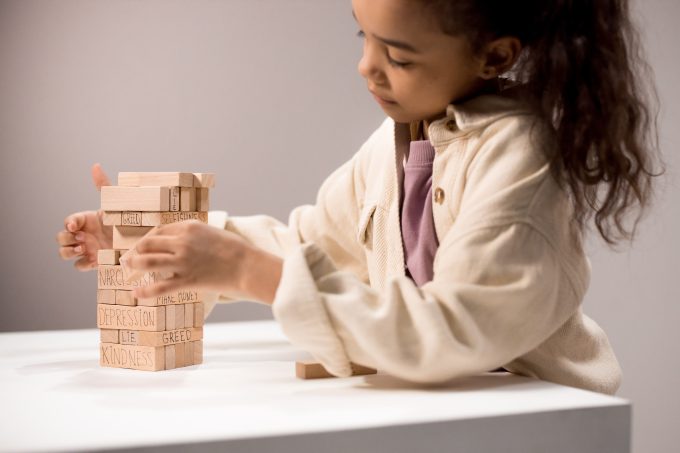


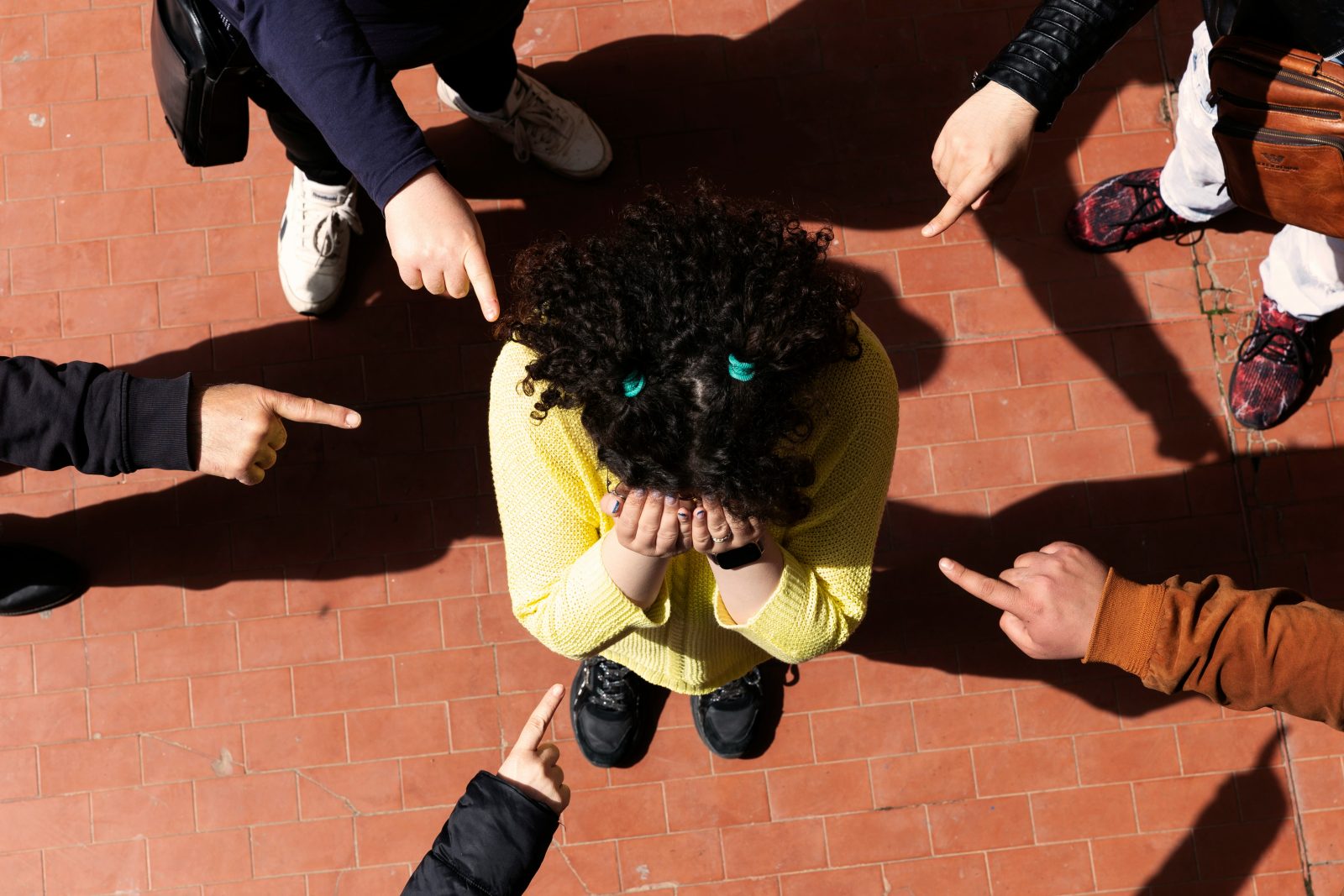
Bullying is an intentional and harmful act that targets individuals emotionally, physically, or mentally. It is an issue facing many school-aged children in Guyana. Every day, reports of bullying emerge, with numerous videos circulating on social media showing instances of this troubling behavior. Unfortunately, the act of sharing these videos often adds to the trauma experienced by the victim.
Risk Factors for Bullying
Certain risk factors can increase a child’s likelihood of being a bully or becoming a victim of bullying.
Increased Risk of Being Bullied
- Depression, anxiety, or low self-esteem
- Difficulty socializing or making friends
- Intellectual or physical disabilities
- Being underweight or overweight
Increased Risk of Being a Bully
- A tendency to be aggressive or easily frustrated
- Difficulty following rules
- Having friends who engage in bullying
Coming from homes with dysfunctional family dynamics, neglect or abuse, or exposure to violence at home, through social media, or on television
Effects of Bullying on Children
Bullying leaves deep and lasting effects on both victims and those who bully.
For Children Who Bully
- Higher likelihood of frequent fights
- Increased risk of causing harm to others, vandalism, and theft
- Greater risk of substance abuse
- Increased likelihood of dropping out of school
For Children Who Are Bullied
- Lower self-esteem
- Fear and school phobia
- Increased risk of depression, anxiety, and suicidal thoughts
Research underscores the need to address bullying, as its effects can shape children’s mental health, academic paths, and future well-being.
Recognizing Bullying
Bullying can take many forms.
Verbal Bullying– Verbal bullying involves name-calling, such as “clumsy,” “stupid,” “dunce,” or “fat boy.” It also includes racist comments, inappropriate teasing, and threatening to cause bodily harm.
Social Bullying– Social bullying aims to damage another person’s reputation or relationships. This may include telling other children not to be friends with or speak to someone, spreading rumors, or publicly embarrassing another person.
Physical Bullying– Physical bullying involves hurting another person’s body through hitting, kicking, biting, punching, or spitting. It also includes damaging or destroying another person’s belongings.
Cyberbullying– Cyberbullying involves using email, cell phones, text messages, WhatsApp, and social media platforms such as Facebook, Instagram, and TikTok to harass, threaten, or embarrass someone.
Racial Bullying– Racial bullying involves treating people badly because of their ethnicity or cultural background.
Religious Bullying– Religious bullying involves making negative remarks or comments about a person’s religion.
Disability-Related Bullying– This involves isolating someone or treating them badly because of a disability they may have.
How Can Parents and Teachers Tackle Bullying?
Addressing bullying requires active involvement from both parents and teachers. Recognizing the early warning signs is key. Look out for symptoms such as stomach aches, frequent illness on school days, nightmares, sleep problems, loss of appetite, bedwetting, reluctance to attend school, declining grades, anxiety, or depression.
When a child shows signs of being bullied—or bullying others—swift action is essential.
Prevention starts with setting a positive example. Parents and teachers should model respectful behavior and maintain open communication, encouraging children to speak up about any issues they face. Parents can foster a supportive family environment by teaching children to be assertive, compassionate, and to manage anger appropriately. Regular conversations about bullying and its effects can help both parents and children recognize and avoid harmful behaviors.
Key Steps for Parents to Combat Bullying
Parents play a crucial role in preventing and addressing bullying. Here are essential steps to help guide children toward positive behaviors:
- Stay involved: Regularly ask your child about their school experiences, actively listen, and show genuine interest in their friendships.
- Model healthy habits: Set clear boundaries and reinforce anti-bullying values at home. Address harmful behavior early, as failing to discipline inappropriate behavior can lead to repeated negative actions.
- Build resilience: Encourage self-care, empathy, and teamwork. Support your child’s involvement in sports or recreational activities to boost confidence and social skills.
- Teach empathy and listening: Help children understand the importance of seeing things from others’ perspectives and recognizing their emotions.
- Reassure and support: Let your child know that bullying is never their fault. If needed, seek help from a guidance counselor for additional support.
- Avoid blame and retaliation: Focus on constructive solutions rather than assigning blame or encouraging retaliation, which can worsen the situation.
How Teachers Can Help Stop Bullying
Teachers have a powerful role in shaping a safe and respectful classroom. By focusing on positive reinforcement and avoiding negative criticism, they can help reduce bullying.
Teachers can make a difference by:
- Standing firm against bullying: Establish a clear and consistent anti-bullying policy so every student understands that bullying will not be tolerated.
- Promoting kindness: Incorporate lessons on kindness and empathy to build a supportive and inclusive environment.
- Staying attentive: Ensure proper supervision to identify and prevent bullying before it escalates.
- Spotting early warning signs: Watch for subtle behaviors such as eye-rolling, prolonged staring, or early signs of aggression, and address them promptly.
- Disciplining respectfully: Maintain order without belittling students or using harsh language, reinforcing that respect is a core classroom value.
The Role of Schools
Schools play a key role in tackling bullying and fostering a safe environment. Effective strategies include:
- Establishing a clear bullying policy: Implement a school-wide policy with defined consequences so all students understand the seriousness of bullying.
- Addressing and highlighting incidents: When bullying occurs, use it as a teachable moment for the entire student body.
- Using guidance counselors: Provide support for both victims and those who bully, helping them understand and address the underlying causes.
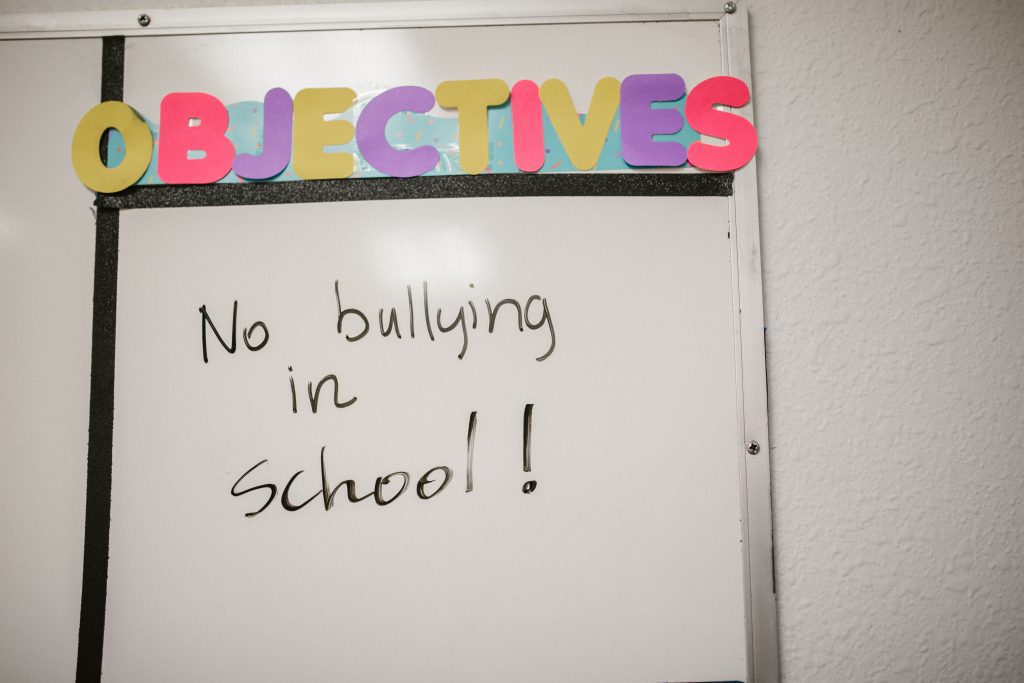
- Hosting assemblies and discussions: Regularly discuss bullying during school assemblies to promote awareness and open dialogue.
- Supporting affected students: Show empathy and provide a supportive environment for those impacted by bullying.
- Engaging parents early: Involve parents at the first sign of concern so everyone can work together to address concerning behaviors.
Pediatricians’ Role in Detecting Bullying
During routine visits, pediatricians should screen for bullying by asking children directly about school, their friendships, and how they feel about attending school. High-risk groups—such as children with chronic illnesses, disabilities, or weight-related concerns—require special attention.
For children at risk of being bullied or displaying bullying behaviors, discussions about emotional regulation and problem-solving are important. If bullying is identified, pediatricians should provide the necessary referrals and support.
Speak Up. Stand Together. Empowering each other and our children can make a difference.